Creative Works Fellowship
The Creative Works Fellowship (CWF) is a 10-12 week summer program that provides CMC students in the humanities the opportunity to engage in a fully funded self-directed project that culminates in some type of creative output. Past projects include: podcasts, artworks (2-dimensional and 3-dimensional), e-magazines, documentary films, virtual games, etc.
Applications for the Creative Works Fellowship normally open in the spring semester.
Summer 2026 Creative Works Fellows
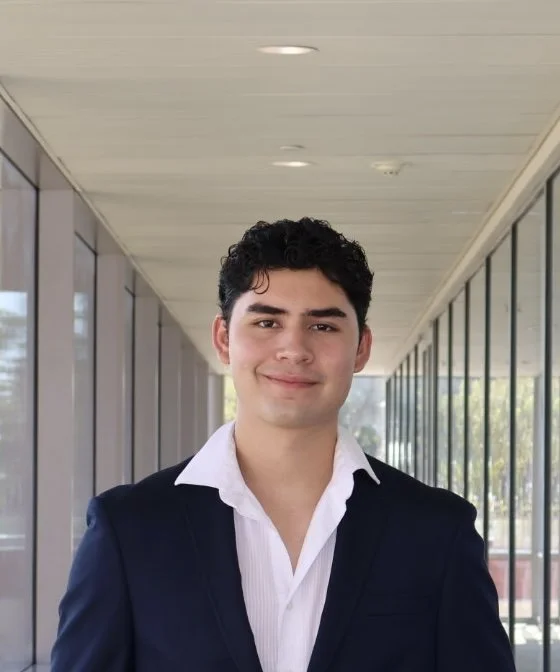
gerardo Barreras ’28
Entre Fronteras: The Crossing and What Comes After
This summer, I will conduct interviews and fieldwork in southern Spain and northern Morocco to understand migration through two perspectives: the experience of crossing the border and the process of adapting to life after it. I will focus on sub-Saharan individuals who entered the European Union as unaccompanied minors through Spanish territories such as Ceuta and Melilla, documenting both what it meant to cross and what it means to stay. Through conversations and photography, I will explore the human experience of the journey itself, as well as how young migrants rebuild their lives in cities like Granada. I will conduct and write my interviews primarily in Spanish, as it is the language migrants must navigate in their daily lives and as part of their integration into Spanish society. As someone who migrated from Mexico to the United States as a teenager, I approach this project with a personal understanding of adaptation and displacement. While the crossings are different, the challenge of entering a new culture and redefining oneself is shared. This project seeks to show that migration is not only about reaching a border, but about learning how to live beyond it.
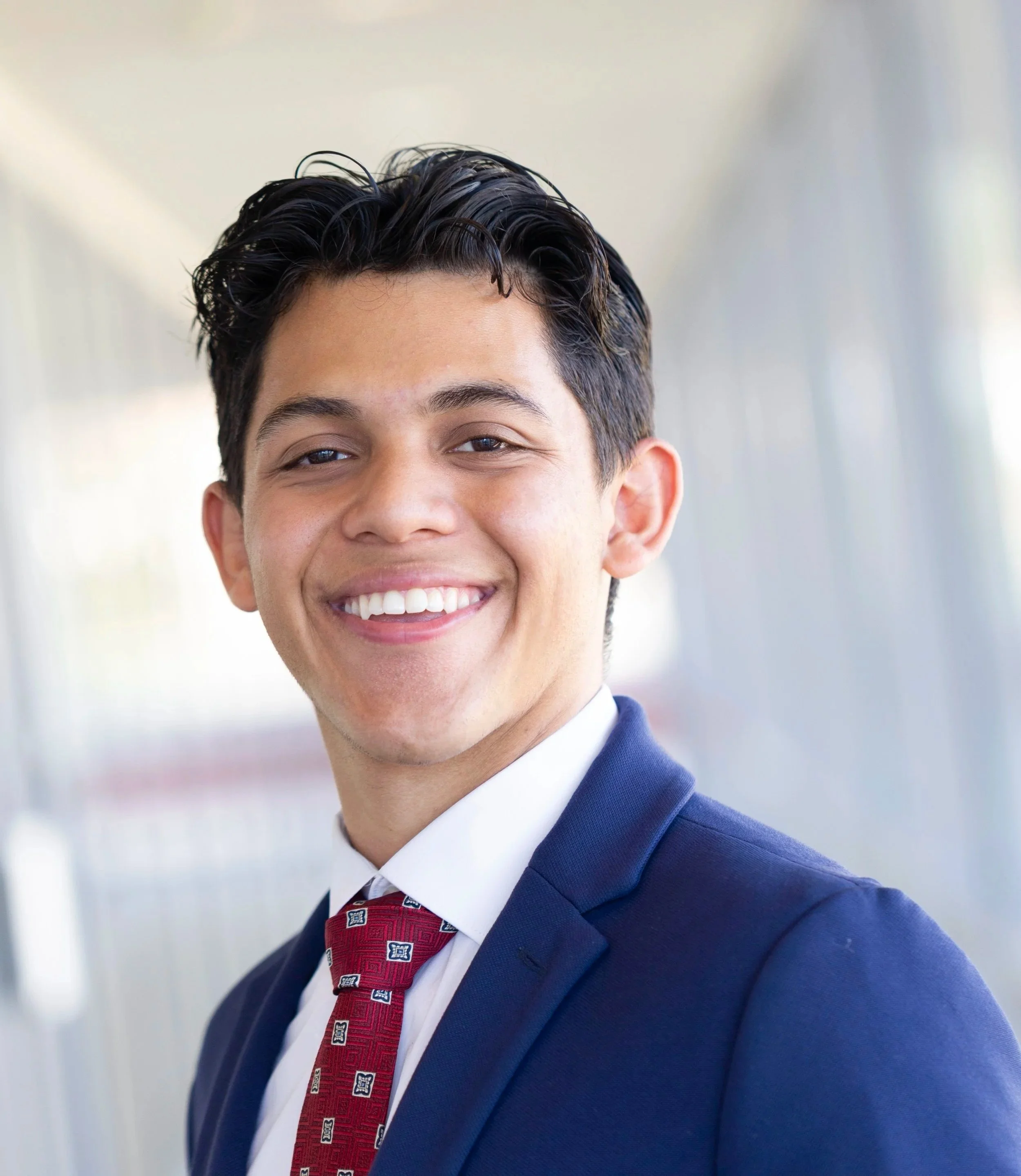
Miguel Barrios ’27
Altarbound
This project investigates the role of bread in shaping Christian identity in India, focusing on two distinct communities: the Thomas Christians of Kerala, where Christianity has existed for nearly two thousand years largely outside Western influence, and the Catholics of Goa, whose faith was introduced through Portuguese colonialism in the 16th century. Through a month of fieldwork, the project will trace bread's journey from farm to altar through interviews and collaborative work with farmers, bakers, clergy, and congregation members, exploring how Eucharistic traditions, culinary practices, and cultural exchange have made bread a living vehicle for faith and identity. The project will produce a short documentary film titled Altarbound, which follows bread's journey through these communities. Ultimately, this work challenges the tendency in political and social theory to overlook the quiet, foundational elements that hold societies together, ultimately arguing that bread, though seemingly ordinary, has always been present at the most consequential moments in human and religious history.
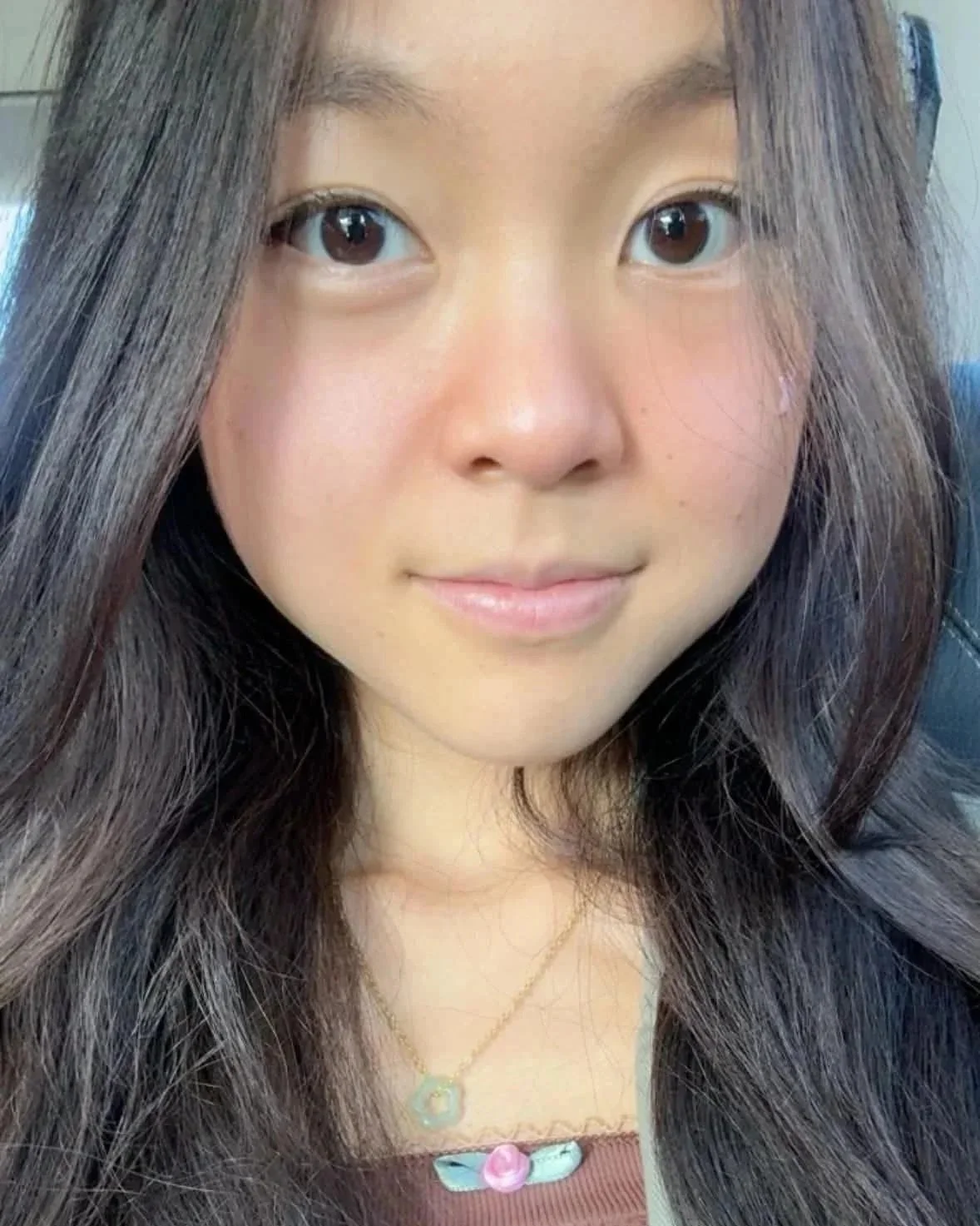
Julie Chung ’28
What Remains of Radiance
At its peak, Hong Kong possessed one of the most visually extraordinary urban environments in the world-- a dense, luminous landscape of hand-bent neon signs cascading down narrow canyon streets in stacked Cantonese characters, fabricated by specialist artisans whose knowledge of heated glass and light was developed through years of apprenticeship and lives nowhere except in their hands. Today, that landscape is disappearing. Shifting regulations, modernization, and the economic logic of LED alternatives have accelerated the removal of Hong Kong's neon signs to a rate that now outpaces documentation. Meanwhile, the aging craftspeople who made them are facing total obscurity: their names unrecorded, their techniques untransmitted, and their irreplaceable understanding of a craft that once defined a city's visual identity approaching extinction without ceremony or archive. This project travels to Hong Kong to encounter these artisans directly, documenting surviving workshops and signage districts through photography, oral history, and archival research. Animated by the conviction that vernacular craft traditions deserve the same serious attention we reserve for officially sanctioned art forms, the project culminates in a digital zine accompanying a neon artwork produced in response to the technical and cultural knowledge accumulated along the way. Together, these constitute an act of witnessing what cities write in light, and what they lose when the writing goes dark.
You can see Julie’s project in the Gould Center!
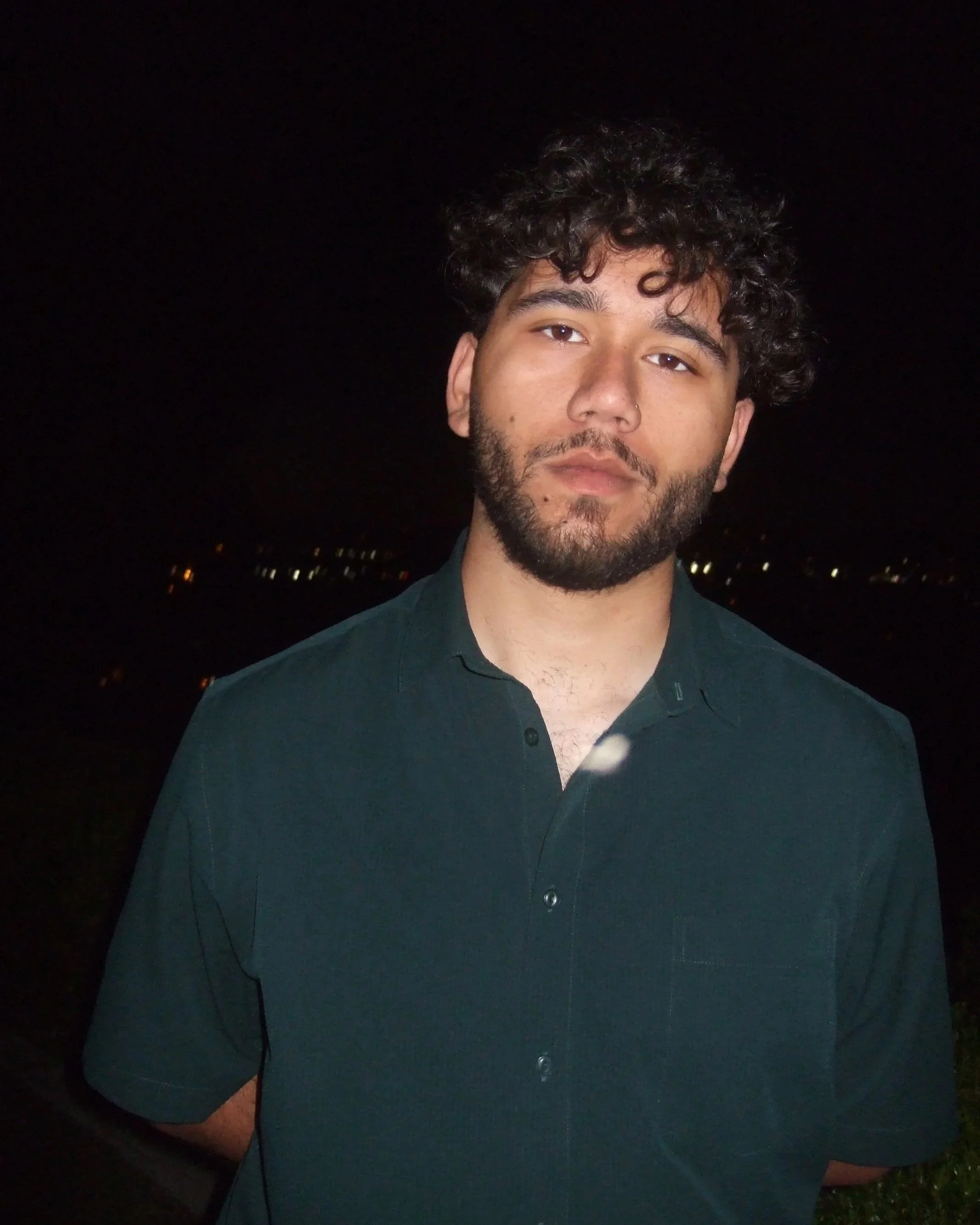
Callum Dhanda ’27
The New Black Country
The Black Country is a historical district in the centre of the United Kingdom. Its name derives from the black soot that would constantly envelop the region's skies, plaguing residents into everlasting darkness. This region birthed the Industrial Revolution, propelling millions out of poverty across the UK and facilitating major technological growth across the 19th century. In the 20th century, Smethwick hosted Malcom X in the midst of harsh racial rhetoric, and West Bromwich became a hub for Windrush settlement. But now, there is little to be said for the region: a place whose people are beginning to forget their decadent past. To push against this indifference, I am going to traverse across the region in depth, writing prose, interviewing residents and taking photographs of places deemed historically and socially significant. I wish to shed light on the identities of each individual town throughout the boroughs, to revive the dying atmosphere of the Black Country, and investigate what has caused a shift from alignment to ignorance of local identity at the town level. Through interviews with residents, engaging in food and art culture, and traversing the streets themselves, I hope to illuminate the new generation of Black Country Yam-Yams and their relationship to their history.
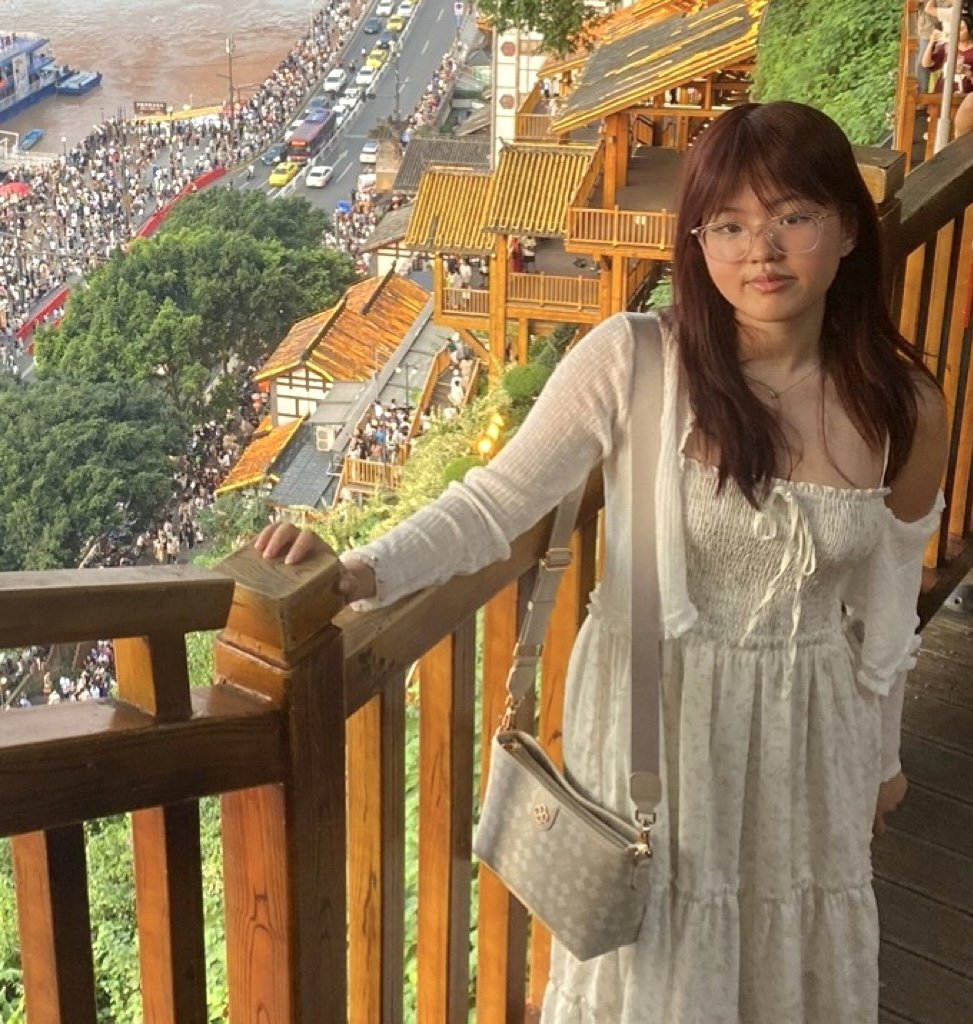
Selina Liu ’28
fuzhounese: Say it Back
Fuzhounese is a rare Min language spoken in Fuzhou, Fujian. With its eight tones, complex sound system, and deep ties to regional identity, Fuzhounese carries generations of family history, oral tradition, food culture, migration stories, and everyday intimacy. Yet both in China and abroad, Fuzhounese has declined heavily as Mandarin, English, and assimilation reshape how younger generations speak and connect. This film and oral history project documents what remains, what is fading, and what can still be reclaimed. Through interviews with elders, immigrants, and younger Fuzhounese Americans, it explores Fuzhounese language, culture, and identity across generations. This project will center around the dialect itself alongside stories of family, migration, food, and memory. It will preserve voices and cultural knowledge while also gathering accessible resources for those interested in learning and reconnecting with Fuzhounese dialect.
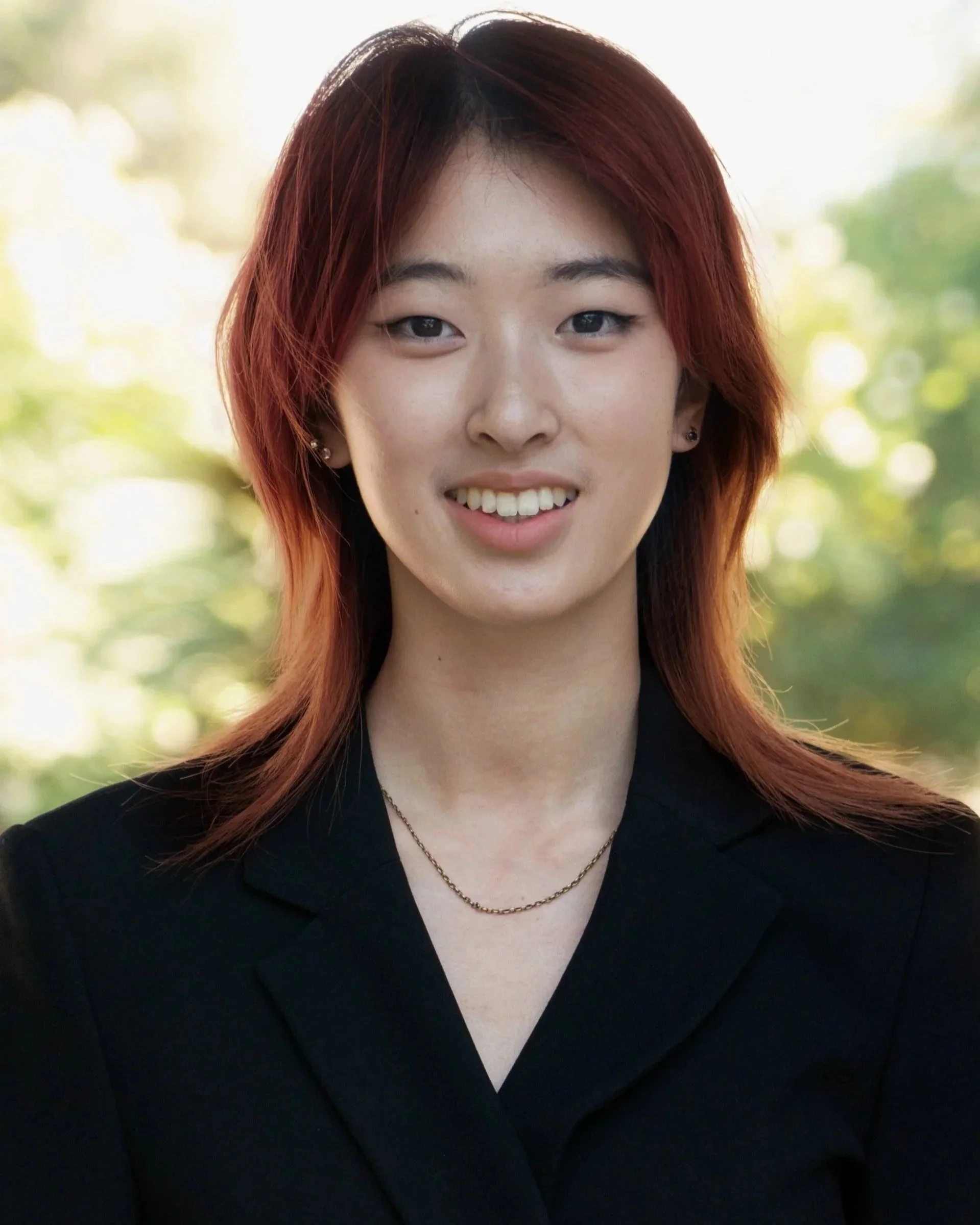
Marilyn Ma ’27
Live coding is an emerging art form in which artists write code in real time to generate music and visuals. Rooted in London's experimental music and hacking scenes, it bridges creativity and technology. As a Computer Science and Media Studies double major, I am drawn to questions of mediumality. Drawing on Marshall McLuhan's insight that every medium shapes what we can express before we even begin to express it, I want to ask: what does live coding, as a medium, do to musical creativity, and what happens when that medium becomes fully embodied? My project begins in London, where I will immerse myself in the live coding community, attending performances, workshops, and collaborating with practitioners. From there, I translate this practice into virtual reality, replacing the keyboard with full-body movement in space. VR introduces embodied movement, spatial interaction, and real-time visual feedback, and by comparing the two ways to create, this project investigates how the medium itself shapes the experience of musical creation. The project will produce a working prototype for Apple Vision Pro, a participant study, and an academic research paper.
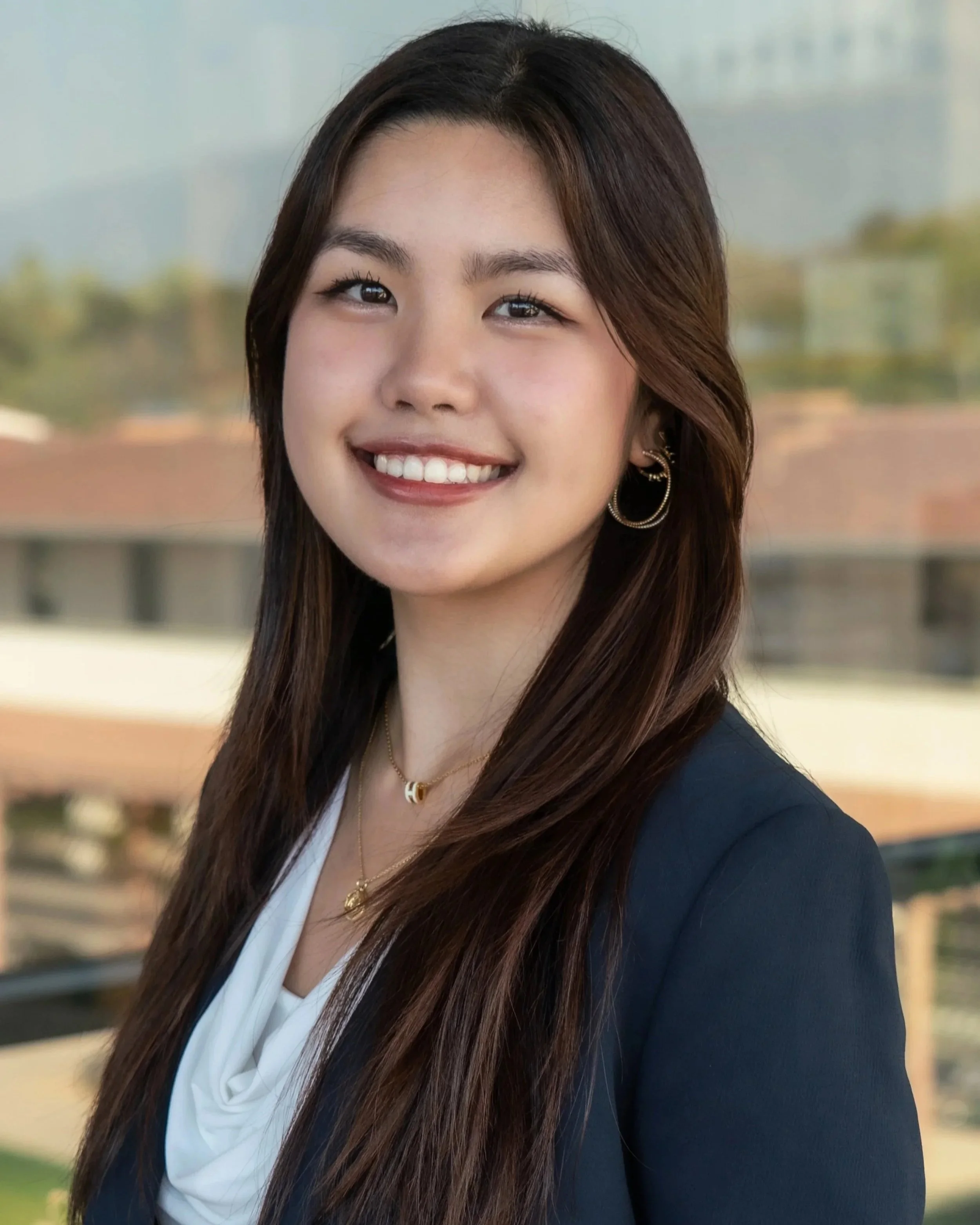
Andrea Pua ’27
This summer, I seek to understand how cultural beliefs, societal norms, and resource constraints influence what it means to have a voice for minimally verbal children with autism in the Philippines. Through my project, Say With Me, I aim to understand how communication is experienced in everyday life and how tools like Augmentative and Alternative Communication (AAC) can be adapted across cultural contexts. Minimally verbal children are often overlooked, even within conversations about autism, because their experiences are harder to document and easier to misunderstand. As a result, they are not always recognized as communicators, yet this assumption depends on what counts as recognizable communication. Expression does not occur in isolation; it relies on others to interpret, respond, and assign meaning. Across different cultural contexts, these interpretations can vary, revealing different ways of understanding communication that extend beyond verbal speech. To explore this, I will travel to Isabela City, the province of Basilan, and learn from families and primary caregivers of children on the spectrum through interviews and observation of everyday life. Rather than treating communication as a fixed system, I am interested in how children communicate their needs, how families interpret these expressions, and what challenges they encounter in understanding and accessing support. Alongside this, I would also like to understand how disability is understood within communities and how culture influences how families navigate and make sense of autism. This work will culminate in a documentary that captures families’ lived experiences and perspectives on communication and caregiving, highlighting both the challenges they face and the forms of care, resilience, and understanding that already exist. I hope to challenge the idea that minimally verbal children are “without a voice,” and instead show that the real work is in whether we, as a society, are willing to listen.