2025-2026 Humanities Passion Projects
Kritika Bhandari
Tastes of Belonging: A Culinary Archive of Nepal’s Ethnic Foods
“Tastes of Belonging” is a cultural food project that explores the culinary traditions of Nepal’s many ethnic groups and the stories that shape them. Nepal has more than 140 ethnic communities, and each group carries a unique history through its ingredients, cooking methods, and ritual dishes. Growing up in Kathmandu, I did not experience these traditions within my own home. My family did not prepare a signature ethnic dish, and I often felt disconnected from the richness of Nepali food culture. This project is my attempt to learn the culinary heritage I never grew up with and to understand Nepal through the flavors and stories that define its many communities.
Over winter break, I will visit restaurants, food stalls, and family kitchens that represent groups such as the Newar, Tharu, Tamang, Rai, Sherpa, Magar, and Gurung communities. I will taste their traditional dishes and speak with cooks and community members about the origins and cultural meanings behind each food. These conversations will focus on how dishes emerged, what rituals or festivals they appear in, and how ingredients reflect geography, climate, and identity.
The final output will be a digital website that presents each dish with photographs, written cultural histories, interview excerpts, maps, and personal reflections. “Tastes of Belonging” aims to celebrate the diversity of Nepali food culture and highlight how culinary traditions carry memory, belonging, and heritage across generations.

Lia Che
Taming Your Elephant: A Visual Guide to Training the Mind — “The way out is in”
My project consists of a three-part creative set designed to make the Elephant Path and related Buddhist mindfulness concepts accessible through contemporary visual storytelling and hands-on creation.
First, I will create an original comic book that reinterprets the traditional Elephant Path and related “lessons from nature” stories through experimental visual design. Drawing inspiration from Nick Sousanis’ Unflattening, I will treat the page as a multidimensional space—combining sequential panels, diagrams, symbolic imagery, and fragmented narration. The goal is not only to retell the canonical Buddhist stages of training the mind, but also to explore how these metaphors resonate with contemporary experiences of anxiety, endless multitasking, digital distraction, and the search for gentler ways of paying attention. The finished booklet will serve as a narrative pathway that readers can visually “walk through,” blending classical imagery with modern emotional landscapes.
Alongside the comic, I will design and fold a set of origami figures representing the central characters of the Elephant Path and their roles: the Elephant - the mind, the Monkey - distraction, the Rabbit - subtle dullness or habits, and the Monk with rope and hook - mindfulness and intention. I will upload a simple, photo-based step-by-step folding tutorial for each of the figures. When assembled, the figures form a miniature “mindfulness pathway,” allowing viewers to arrange physical representations of the diagram on their desk or nightstand. The kit is meant to translate meditation theory into a tangible, playful form that can be touched, rearranged, and revisited.
Finally, I will create a public website that houses the full project: a digital version of the comic, downloadable origami tutorials, and a submission portal where readers can upload photos of their own folded figures or personal “mindfulness pathways.” The site will be a space where mindfulness can be shared, practiced, and passed from one person to the next.
Throughout the process, I will maintain a detailed process journal documenting research, sketches, drafts, and reflection. Together, the three components (comic, origami kit, and website) offer multiple points of entry into Buddhist art and ideas of mindfulness, making them tactile, visual, and resonant for contemporary audiences living in fast-paced, distracted environments.
Hannah Cho
How Korean Restaurants Tell Their Story in Southern California
Growing up, I connected with my father through photography, learning about various cameras, photographic techniques, and styles, while I bonded with my mother through a shared appreciation for Korean cuisine. These experiences with my parents inspired me to explore my Korean identity through cuisine, using photography to convey an immersive story of perseverance and authenticity to a broader audience.
When Koreans began immigrating to the United States after 1903, they were frequently mistaken for other Asian communities. Thus, when Koreans first opened restaurants, they had to find ways to preserve authenticity in their dishes without straying too far from what American diners were already familiar with. Comparing and contrasting the choices these restaurants made shows varying approaches to navigate this reality. Some have preserved their authenticity, featuring Korean-style 수저 (silverware) and 반찬 (side dishes), while others have modified these aspects to cater to American customers.
Through this project, I look closely at the ambiance and story that the curated spaces of the Korean restaurants share with their customers. My website features photographs of signs, menus, promotional flyers, cards, and interior design. For these photographs, I used intentional lighting and compositional choices to capture the distinct characters of each restaurant. I visited these restaurants cognizant of the roles that historical context, location, and social media play in determining the extent of continuity and change. Doing so made it possible for me to trace which aspects of Korean cuisine and design have been preserved, reduced, modified, and/or amplified.
Julie Chung
Before Her Hands Forget: Maedeup (매듭) and the Material Memory of Diaspora
In childhood, I watched my grandmother tie the ornate knots that adorned my family’s hanboks during traditional holidays–unaware that I was witnessing the final movements of an art that survives only through touch, a lineage being offered in the fleeting interval of her fingers tightening silken threads. Now, as age and illness eclipse the steadiness of her hands, I feel the ache of a distinctly diasporic grief: the realization that knowledge can vanish even while the one who holds it still sits beside you.
Maedeup (매듭), the traditional Korean art of decorative knotting, has existed for over a millennium. Once embedded in court attire, Buddhist ritual objects, and the domestic crafts of Joseon-era women, these overtly ornamental knots codified ideals of longevity, protection, continuity, and auspiciousness in the crossings of silk cord. This practice was transmitted orally and tactically, rendering it acutely vulnerable to disruptions incurred by migration and generational distance.
This project is my effort to rethread what has frayed. I will learn and create several unique maedeup pieces, utilizing both traditional materials and diasporic improvisations. Each knot will be photographed and paired with a brief interpretive text detailing its historical origins, symbolic architecture, and craft notes. Alongside this craftwork, I will complete an analytical essay tracing maedeup’s evolution throughout Korean history, role in women’s domestic artistry, and significance as a form of embodied cultural memory. These components will culminate in a digital zine: an intimate archive of knots, stories, and the tenuous threads through which tradition endures.
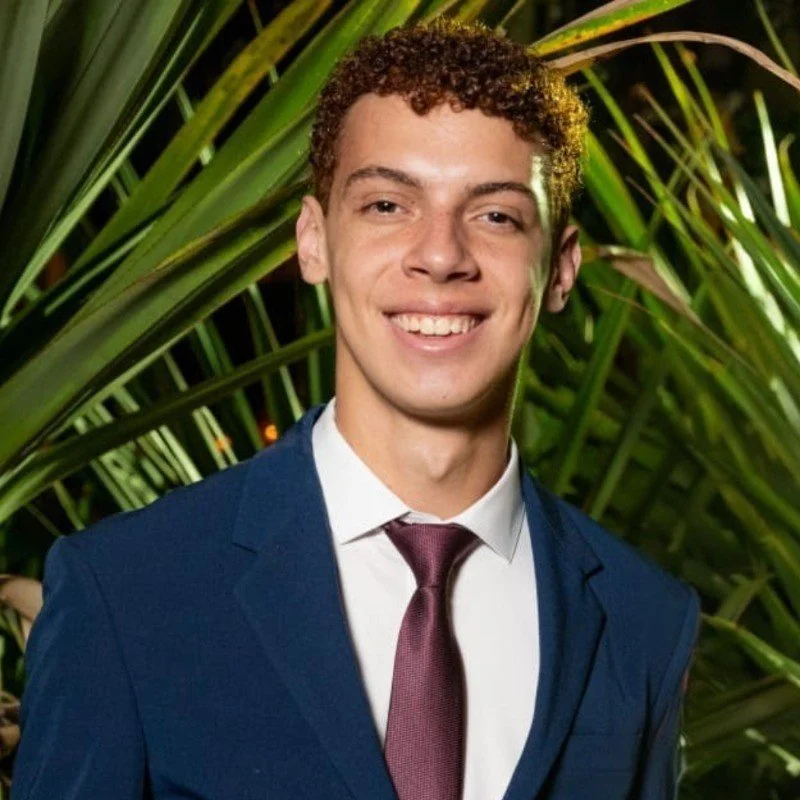
Arthur Lopes Constant
When Two Rights Make a Wrong: Hate Speech and Tradeoffs Between Liberty and Dignity in Brazil and the United States
Authored by a Brazilian student, this passion project compares the different approaches to “hate speech” in the two largest democracies in the Americas: Brazil and the United States. In a period of rising political polarization in both countries, one question becomes more important than ever: how should democracies deal with intolerance?
The project compares two main texts: the STF’s Liberdade de Expressão, which outlines the judicial rationale for limiting expression to protect human dignity, and Nadine Strossen’s HATE: Why We Should Resist It with Free Speech, Not Censorship, which argues that empowering the state to censor hate speech ultimately endangers the very minorities it seeks to protect. By comparing these positions, the project aims to explore the efficacy of censorship versus counterspeech.
The final deliverable will be an essay that assesses whether the American tradition remains appropriate, or if the Brazilian model offers a necessary change for preserving democracy. This work aims to offer an informed perspective on the dialogue on liberty, security, and the regulation of discourse.

Sophie Goldensohn
What is New York City waiting for?
Owing to some combination of population density, tourism, and social media virality, super long lines are an everyday sight in New York City. Rain or shine, there will always be clusters of people queued up–patiently or impatiently–to try a famous pizza slice, secure free Shakespeare in the Park tickets, shop at a designer sample sale, or get a table at a buzzy new restaurant. These lines are a visible representation of demand, spatial expressions of what people are willing to endure for the promise of an experience. In many ways, these lines function as a kind of interest barometer. They reveal what is scarce, what is coveted, what has captured the public imagination at any given moment.
“How long would you wait in line?” has become its own litmus test for value. Lines quantify the time, convenience, and comfort people are willing to trade for different goods and experiences. By examining the kinds of things people are lining up for, trends can be observed and cultural shifts can be monitored. Evolving patterns in taste and consumption can be observed.
My passion project seeks to document some of the things people are waiting for. My project, a written article with photos, combines journalism and cultural criticism. I plan to visit specific sites as well as encounter lines by happenstance, observing who is waiting and what they are waiting for. Through interviews, field notes, and photos, I hope to document these mini-ecosystems and all that they represent.

Alexander Knight
Seeing the World Through New Eyes
Think of the word “tree.” What do you imagine? You might think of some tall-ish thing, with a green mass of leaves on top, and a long, trunk-looking thing protruding from the ground, keeping the whole ensemble afloat. But where do we draw the line? When does tree-like, become not a tree at all?
It seems impossibly difficult to answer these questions, and yet they are now more important than ever. AI, and large-language-models (LLMs) in particular, is rapidly becoming our most transformative technology. But predictably, the growth exponentials that we’ve gotten accustomed to seeing in LLMs are beginning to plateau.
With this sudden slow, new approaches are emerging to keep the metaphorical AI-ball rolling. One such approach is multi-modal models. In digestible terms, a multi-modal model is an AI that can do different kinds of things, like see, manipulate language, and so on.
Multi-modal models are theoretically promising, because they offer a path to a different sort of intelligence. Presently, LLMs are simply highly complex probabilistic mechanisms capable of producing coherent bundles of text. That’s wonderful, but it’s not the same as human intelligence. Human intelligence is grounded in causal inference, developed by billions of interactions with the world.
In this project I will test this idea by programming a multi-modal robotic spider to interact with the world. It will walk around, take pictures, and produce internal representations for the things it sees. Then, I will give it labels (words), and see how well it can generalize those labels to its internal representations.

Ted Li
Playing Modernity: eSports and Soft Power in East Asia
Esports, or electronic sports, is a form of video game competition taking place between talented and professional players. Since the beginning of the 21st century, Esports has played an indispensable role in shaping global culture, following the development of the internet and the rise of online streaming media such as YouTube and Twitch. It has grown immensely in terms of popularity, professionalism, and frequency, becoming comparable to traditional sports like soccer and baseball. It has also cultivated its own distinct culture, developing national identity and pride in the digital realm through competition, technological innovation, and infrastructure development.
In this project, I am going to examine how South Korea and China, two nations with some of the world's most mature industries, dedicated audiences, and vibrant communities, integrate this new style of competition into the narrative of cultural soft power. I will evaluates how each country's unique economic, social, and cultural conditions have shaped distinct models of Esports development; conversely, the project also explores how Esports contributes to the construction of national identity among the younger generation
The goal of this project is to create a research study that helps explain why Esports has become a powerful cultural force in South Korea and China, and how soft power in modern nations is increasingly driven by the digital world and entertainment.
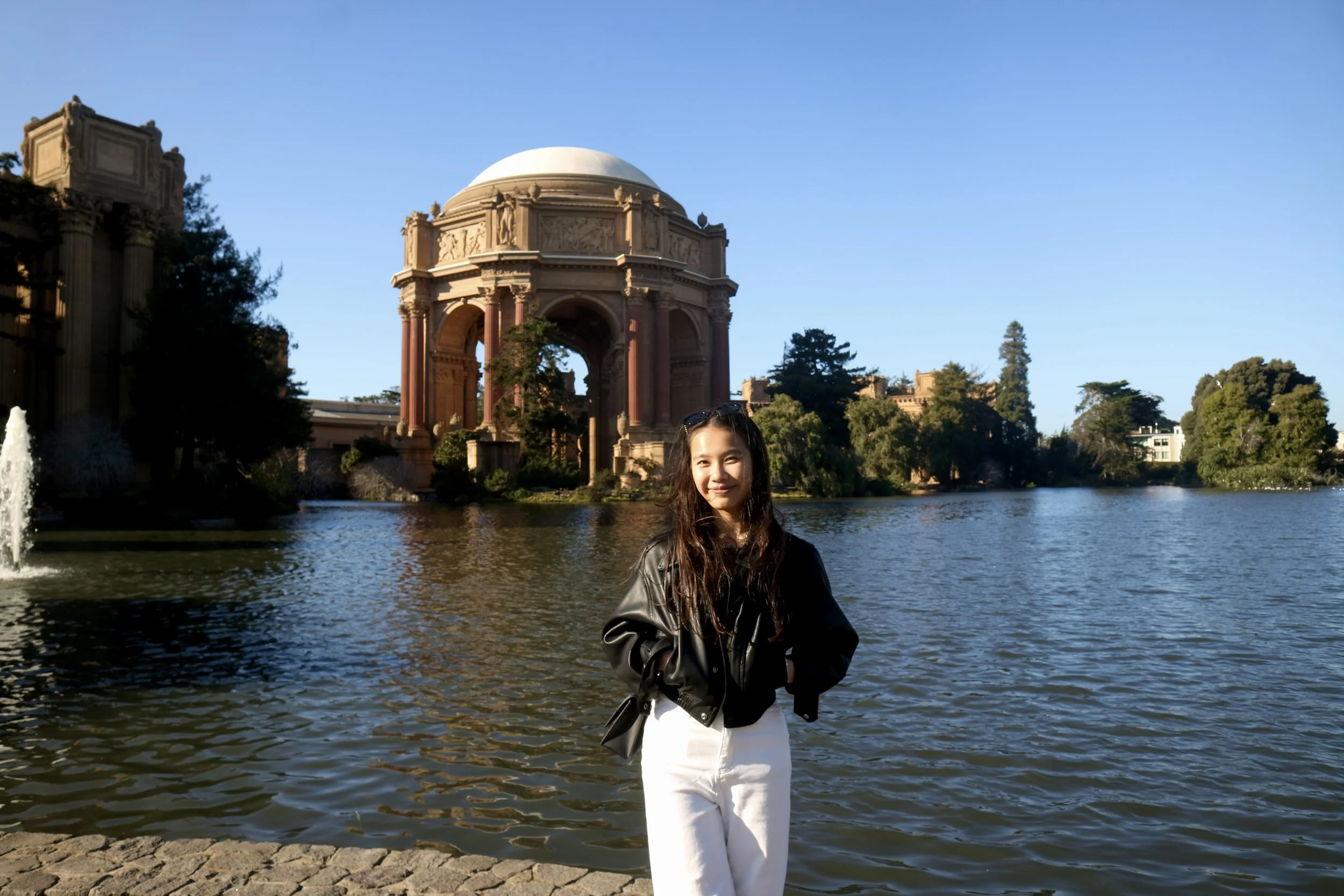
Molinaka Lim
Humans of Cambodia in America
"Humans of Cambodia in America" is a storytelling project that documents the lived experiences of Cambodian immigrants in the United States, captured through a photo essay. As a Cambodian international student who recently moved to the U.S., I often find myself reflecting on how my journey compares to those of individuals who migrated years, or even decades, before me. I’m deeply curious about how the Cambodian immigrant community has adapted and built new lives while integrating into American society.
Inspired by Humans of New York, I want to share the stories of Cambodians who now call the U.S. home, highlighting their experiences with immigration, family, identity, and adaptation. The project will pair portraits with short, narrative-style stories from open-ended conversations. I will connect with people in places where they live or work, like households, donut shops, and local businesses. This will allow me to learn from their unique stories and hear about their immigrant experiences in their own words, letting the conversation flow naturally. Through this project, I aim to connect with the Cambodian immigrant community and better understand their unique struggles and successes, while also reflecting on the experiences of my own people, who have lived a different experience from mine. I hope this project will also offer insights into the resilience and strength of the Cambodian community in the U.S., allowing others to learn from and appreciate their experiences.
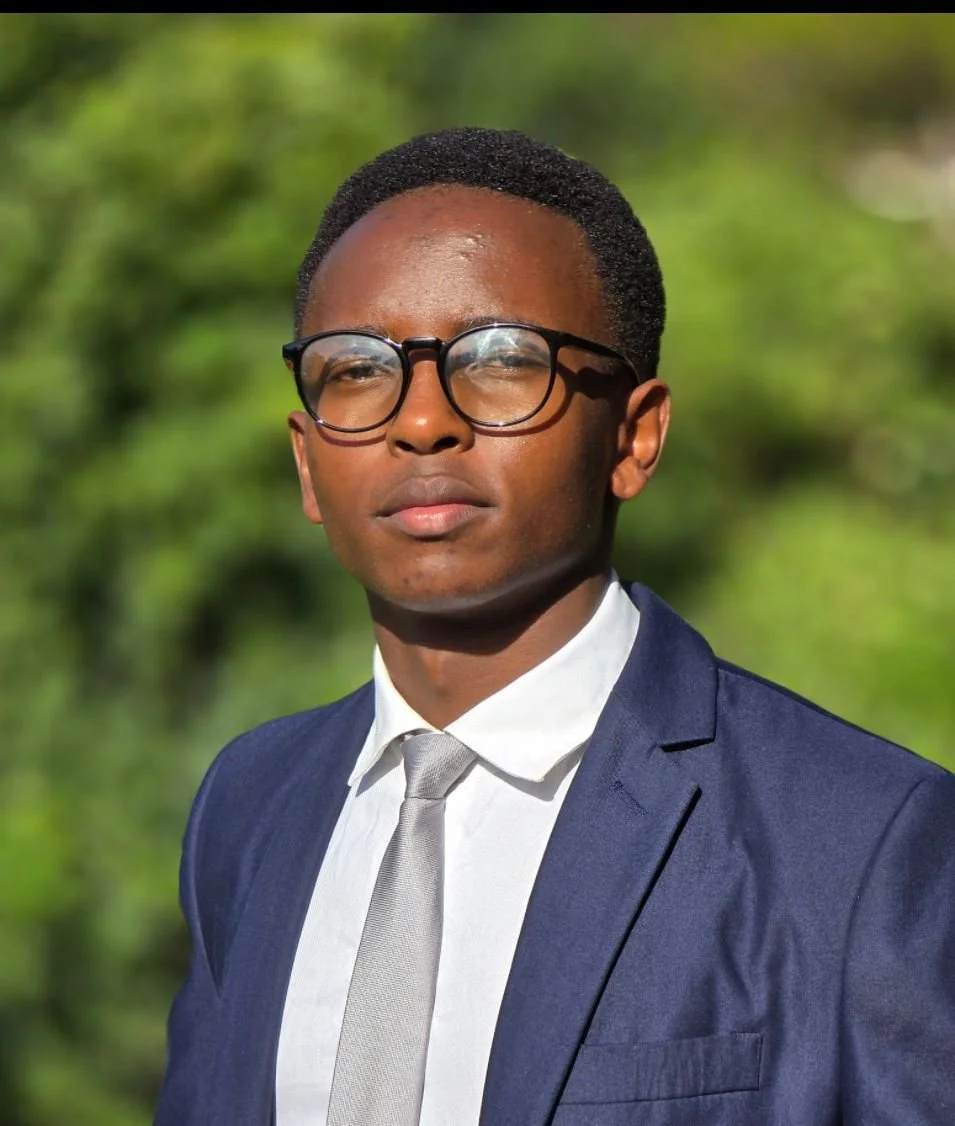
Kennedy Mwangi
How Traditional and Modern Narratives Preserve History and Identity in Kenyan Communities
For ages, Kenyan oral traditions such as folktales, proverbs, riddles, songs, and communal fireside storytelling have served as an important mode of transmitting memory, teaching values, and strengthening communities. These narratives are mostly shared by elders and passed down through families and clans in a fairly structured manner, and are shaped by moral understanding and preserved cultural heritage dating long before written literature was introduced in Africa.
Today, modern platforms such as podcasts, YouTube, TikTok, and social media threads have transformed the way Kenyans[of all 50+ distinct ethnicities] tell stories while continuing to fulfill many of the same functions. Contemporary storytellers have documented personal journeys, young Kenyan authors revived folktales, taught language, and reflected on cultural identity for audiences extending beyond the traditional storytelling circle, and Kenya's geographical borders. In a myriad of ways, digital media has made accessible the narratives, allowing young people to participate in shaping Kenya’s cultural memory.
My project will explore how storytelling, one of Kenya's oldest cultural practices, continues to preserve history and identity even as it morphs in the technocrat age. By analyzing both traditional oral narratives and modern digital storytelling through one-on-one interviews with creators and storytellers, my project argues that while the mediums have shifted, the core purpose of storytelling remains fundamentally the same -- to preserve identity, document lived experience, and connect communities across generations. Through literary research, interviews, media analysis, and cultural examples, I will highlight storytelling as an adaptive technology of memory that continues to anchor Kenyan identity in this rapidly changing world.
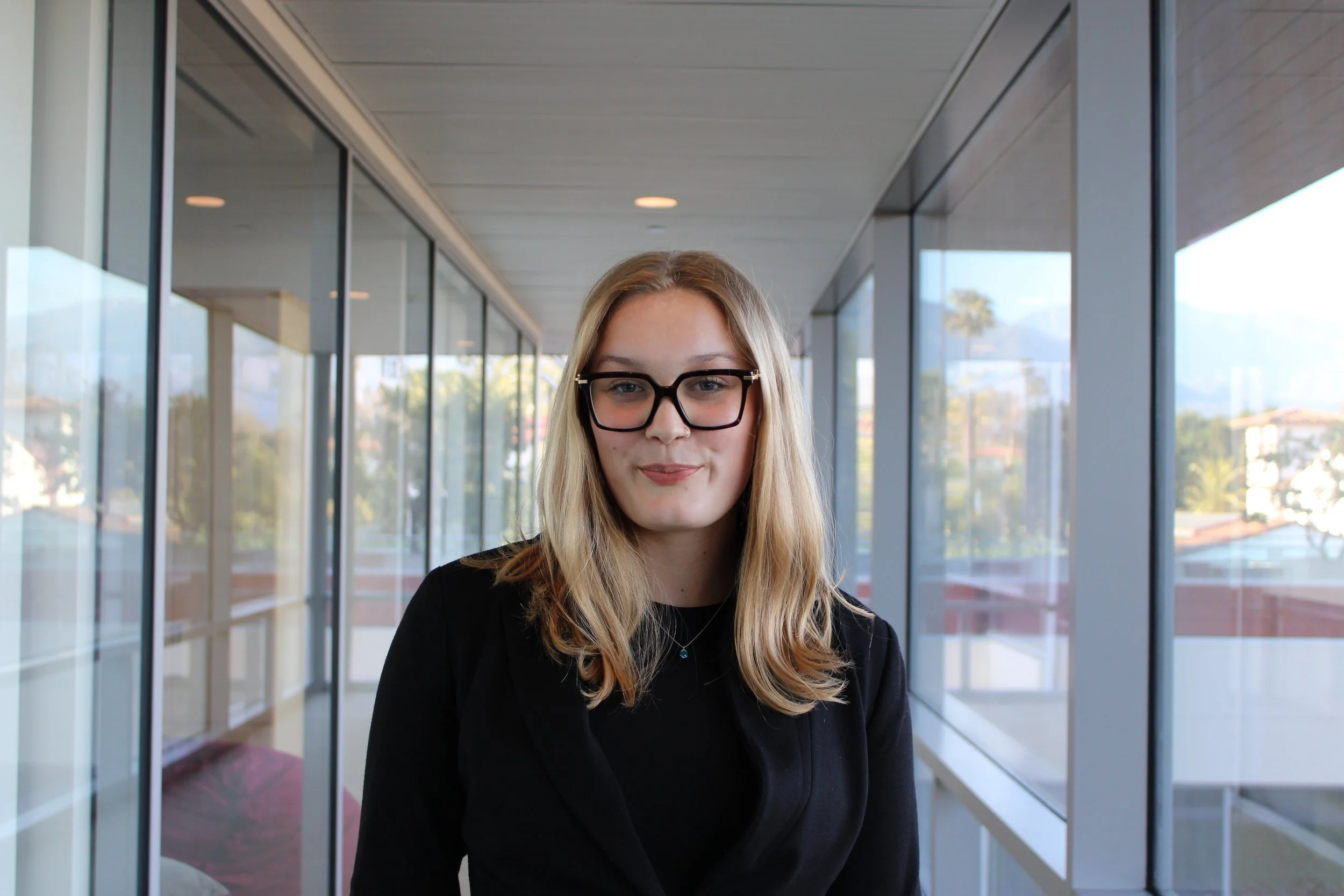
Sydney Nate
Four Generations United and Divided: Young Womanhood Across Generations and Religions
This project investigates the layered, intergenerational experiences of the women in my family: my great-grandmother, grandmother, mother, and myself, to understand how identity, belief, and opportunity evolve across time. The recent passing of my great-grandmother prompted a reflection on the striking contrasts in our lives, as well as the similarities we bonded over. Her early 20th-century upbringing, shaped by strong Mormon values emphasizing devotion and motherhood, contrast my own focuses within education and global experience, prompting inquiry on the differences in perspective.
By engaging with the stories and memories of the women who came before me, the project seeks to uncover how each generation navigated expectations surrounding womanhood, faith, and family. It examines how religious doctrines and familial traditions both guide and constrain women’s choices, often defining their sense of purpose, responsibility, and identity long before they begin shaping their own lives. Through reflection, storytelling, and visual reconstruction, I aim to understand how these inherited narratives continue to influence my worldview, even as I distance myself from the religious structure that shaped my childhood.
Ultimately, the project is an exploration of lineage: how women carry history, how they break from it, and how they reinterpret it. It serves not only as a personal meditation on the evolution of belief and autonomy but also as a broader commentary on how religion and family can simultaneously anchor and limit us, and how individuals balance honoring their heritage with the pursuit of personal growth.
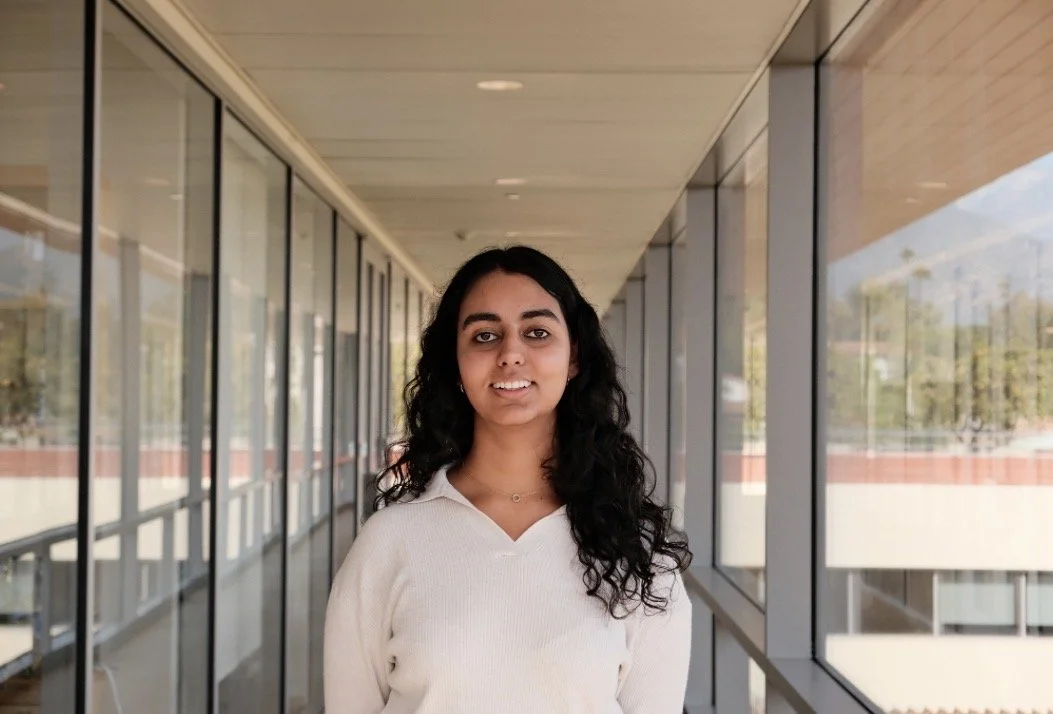
Lavanya Puri
English & Economics: How Postcolonial Mindsets in North India Define Modern Success
In this project, using a mix of advertisements and essays, I analyse the lingering aftereffects of colonialism in north India, particularly in the notion of obtaining a “western education.” With firsthand accounts of how the postcolonial mindset manifests itself after more than 70 years of independence, I delve into the economics, culture, and linguistic connotations of this “western education.” I look into the economics immigration industry involving networks of English tutors, college counsellors and visa consultants, since the economic costs involved with sending children abroad to study often outweighs the benefits for middle-income families. Through interviews with said demographic, I aim to understand the culture behind an education abroad as a status symbol, even in cases where children return home instead of staying abroad. Lastly, in a country as diverse as India, I want to evaluate the status of English as a language of communication: is fluency a symbol of prestige, and a barrier for upward social mobility, or is the language legitimate in its own right?
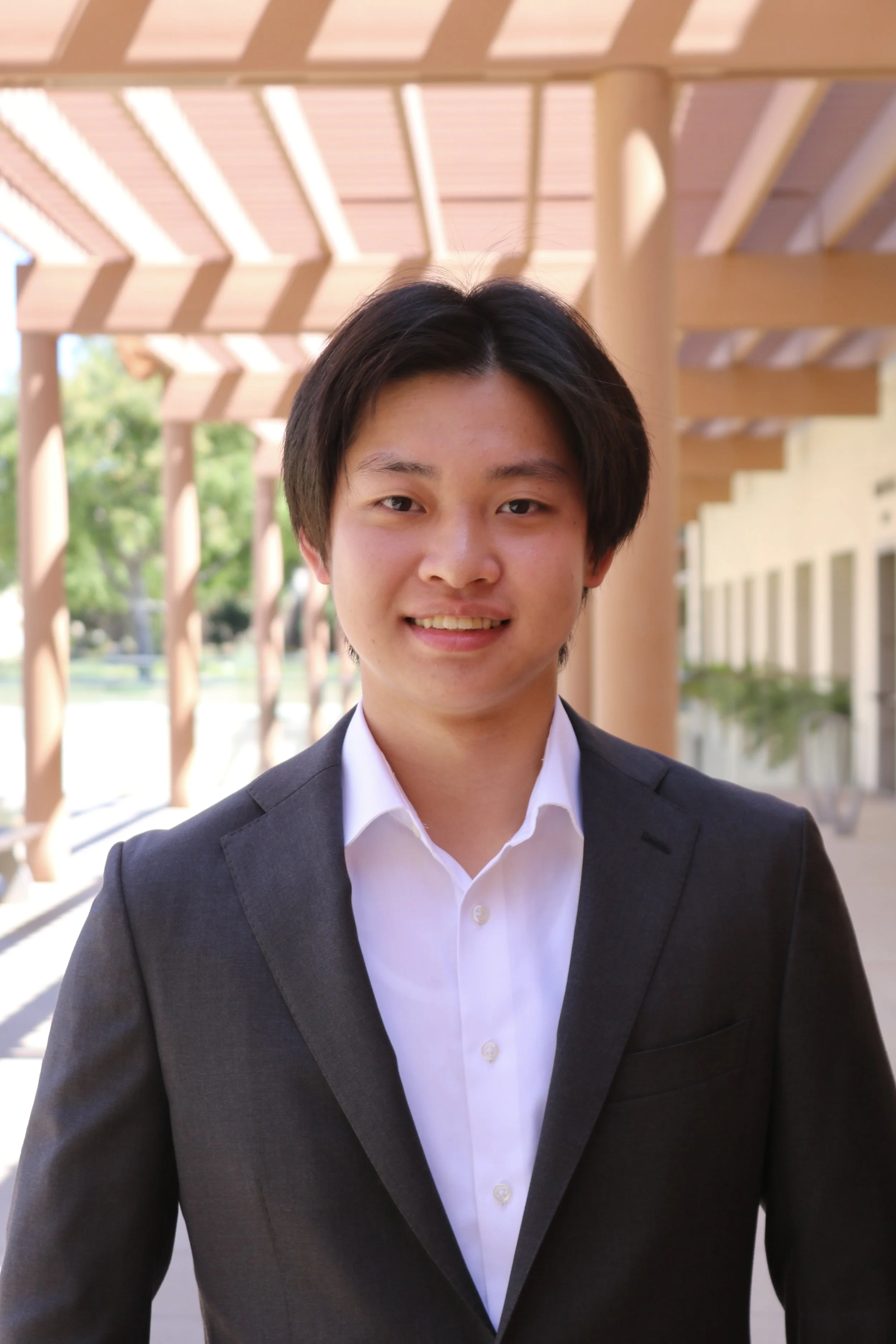
Marcus Sato
Faith and Survival: Hidden Christians in Nagasaki
In 1549, the Portuguese Jesuit missionary Francis Xavier first introduced Christianity to Japan. Perceiving the spread of Christianity as a direct threat to political unity and social order, the Tokugawa Shogunate banned Christianity, institutionalized its systematic persecution nationwide, and adopted an isolationist policy. As a result, an estimated 150,000 Hidden Christians (Kakure Kirishitan) secretly continued their faith. Over more than two centuries, they developed and preserved a distinctive form of Christianity (Kirishitan) independent of the Roman Catholic Church, until the ban was officially lifted in 1873. With the collapse of the Tokugawa regime and the reopening of Japan’s borders, the existence of the Kakure Kirishitan was unexpectedly rediscovered.
Today, few written records from medieval Japan exist that document the faith and practices of Kakure Kirishitan from a Japanese perspective. Their practices were primarily transmitted through family and regional lines. As a native Japanese speaker, I plan to conduct fieldwork in Nagasaki City, the Sotome district, and the Goto Islands in Nagasaki Prefecture to access primary sources and firsthand accounts. My research will involve visiting historic churches, museums, and Christian heritage villages, interviewing curators, volunteer guides, decedents, clergy, and taking photographs.
My final academic paper will examine the following questions: What drew Japanese people to Christianity? What did Kirishitans believe and practice? How did they preserve their faith? How did they understand their own identity? Why did they refuse to abandon their faith? How do their legacies endure today? And in what ways do they differ from modern, secular Japanese society?
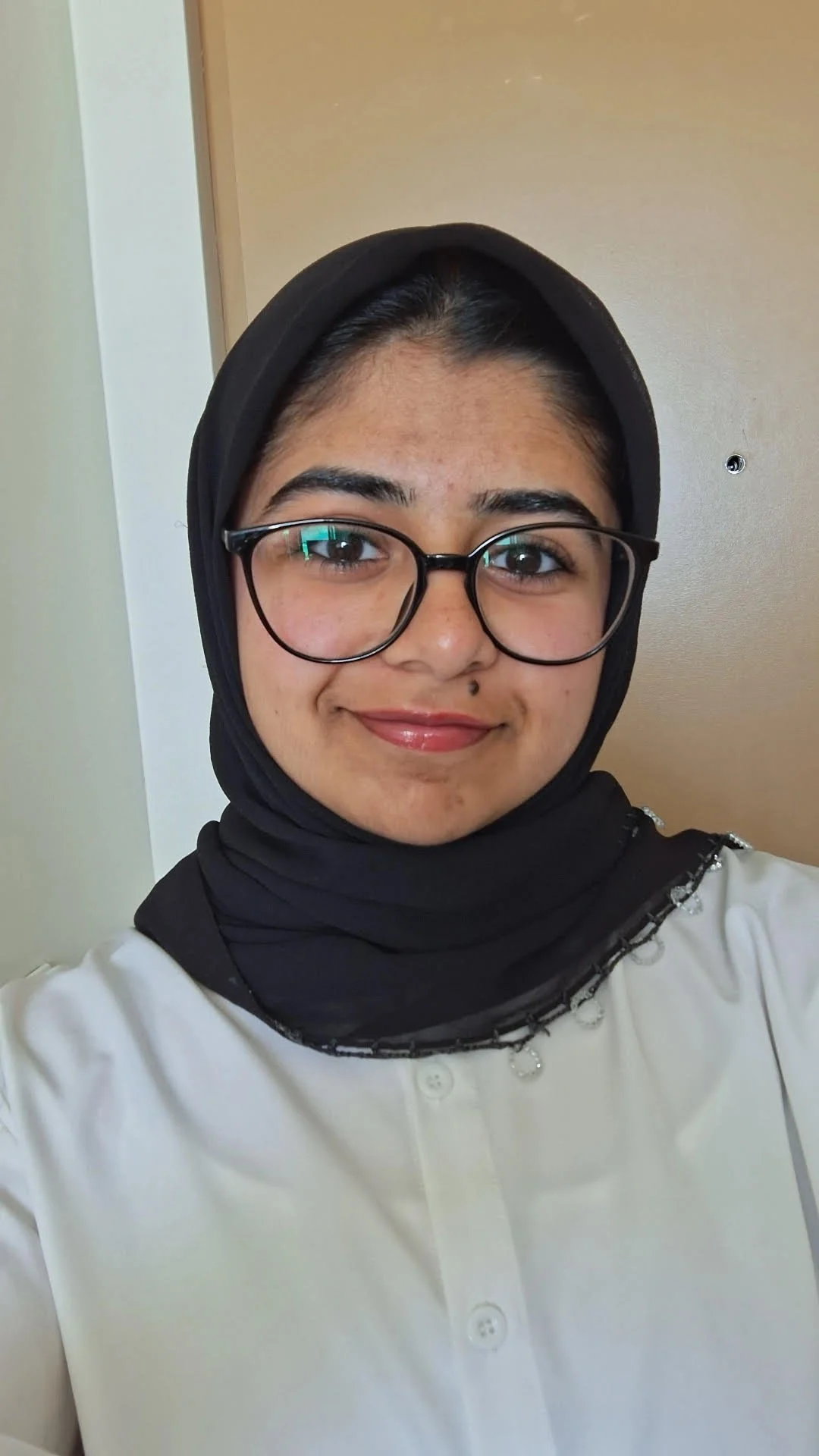
Heena Suleman
Layers of Being
I’ve always felt like I had to choose my interests from one box, and once I’m in that box, the edges feel too far up to reach over and explore anything else. At home in Tanzania, our curriculum forced us to pick a track between finance or science, and art was removed entirely. I chose science, and I don’t regret it; it sparked my love for medicine. But anatomy always felt locked inside this “clinical box,” treated as something objective, rigid, and emotionless, even though its illustrations have always felt poetic to me. I’ve spent so long feeling like my interests were too artistic for science, too scientific for art, and this project is my way of finally letting those pieces of myself coexist.
With “Layers of Being”, I will create a small scrapbook that pairs hand-drawn anatomical illustrations like hearts, lungs, hands, eyes with short emotional reflections. I want to take things that are supposed to be purely objective and let them hold emotion. A heart will still be a muscle of chambers and vessels, but why can’t it also carry heartbreak? Lungs can still contain bronchi and alveoli, but they can also express relief, like a breath you didn’t know you were holding. Using the same materials I use when I scrapbook for myself, I want each page to feel personal, a little messy, and human.
Medicine often focuses on fixing the body, but art reminds us that the body also feels. My project sits in that in-between place, turning anatomy into emotion and allowing the body to be studied not just as a structure, but as a story.
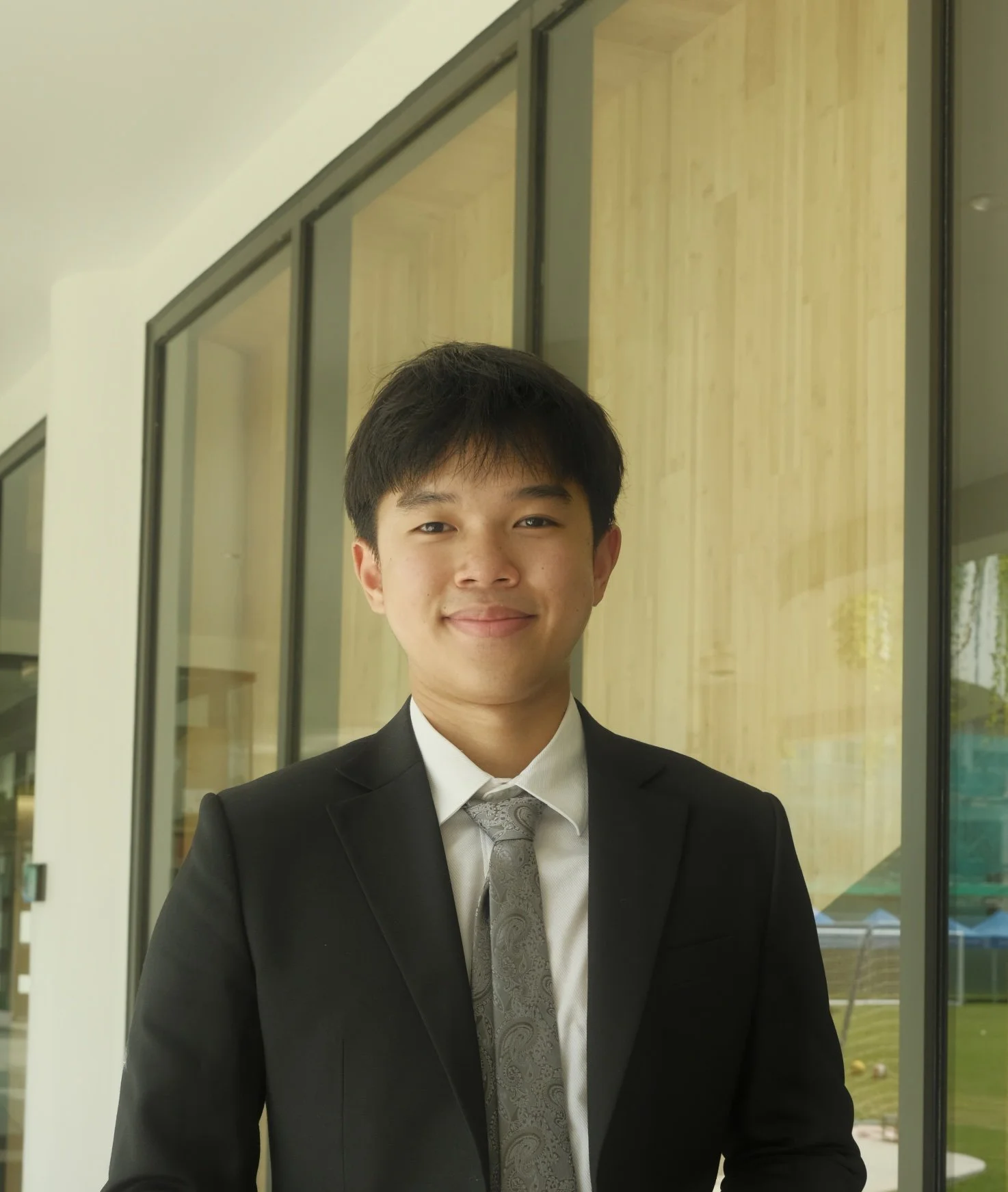
Luke Tran
Ký Ức Thời Chiến: A Collection of Unseen Narratives from Wartime Vietnam
Having lived in Ho Chi Minh City my entire life, I was surrounded by narratives about the Vietnam War and the following decades that define my country today. Yet, within these narratives, there was a lack of the day-to-day experiences of individuals living through those trying times. Along with the numerous museums, publications, and fictional works that tell the stories of this period, I also grew up with the stories of my grandparents and the intersectional, yet unique perspectives each of them brought as they navigated a new regime, economic difficulties, and international exposure.
In my project, “Ký Ức Thời Chiến: A Collection of Unseen Narratives from Wartime Vietnam”, I aim to capture these 4 narratives—a diplomat, a hotel manager, a lawyer-turned-mother, and a history professor—in depth. By supplementing each voice with historical context and primary sources in an annotated interview format, “Hậu Chiến” provides an unconventional look into the effects of the war on citizens. When looking at historical situations, it is often easy to fall under the influence of stereotypes and statistics. In sharing my family’s personal history, I invite readers to challenge their notions about how large-scale historical events are lived, interpreted, and remembered on the level of an individual. Ultimately, this project aims to humanize an era often defined by data and headlines, offering a nuanced understanding of post-war Vietnamese life.

Rhiannon Worline
The Intergalactic Enquirer
Science Fiction has long used imaginative worlds to reflect and critique real political structures, and few franchises demonstrate this more powerfully than the American classic Star Wars. My project investigates the political narrative embedded within the “Clone Wars” era, the period between Episode II and III, where galactic conflict, democratic decay, and moral ambiguity all converge. Using three analytical lenses, I will examine: (1) the geopolitics between planets involved in the war, (2) the internal politics of the Galactic Senate and the effects of its policies, and (3) the role of NGOs, particularly the Jedi Order, in the development and progression of the war. Drawing from film and television media, novels, and official franchise archives, I will translate these findings into journalistic-style articles presented as real-time news coverage for the citizens of The Republic. These articles will be featured on a website titled, “The Intergalactic Enquirer”, each paired with an analysis demonstrating how the events of the Clone Wars parallel contemporary issues in global politics today. By framing complex political dynamics within a well-known fictional narrative, this project aims to make conversations about governance and democracy more accessible and compelling. It also demonstrates how popular media shapes, and is shaped by, the political nonfiction being experienced by its audience.